Les préservatifs sont fabriqués à partir de différents matériaux, chacun avec des caractéristiques uniques. Latex et polyuréthane sont deux types courants sur le marché. Comprendre leurs différences aide les consommateurs à choisir ce qui leur convient le mieux. Ici, nous les comparerons du matériau à l'utilisation.
🔹 Aperçu des matériaux
- Préservatifs en latex:
Fabriqué à partir de caoutchouc naturel. Ils sont élastiques, durable, et largement disponible. - Préservatifs en polyuréthane:
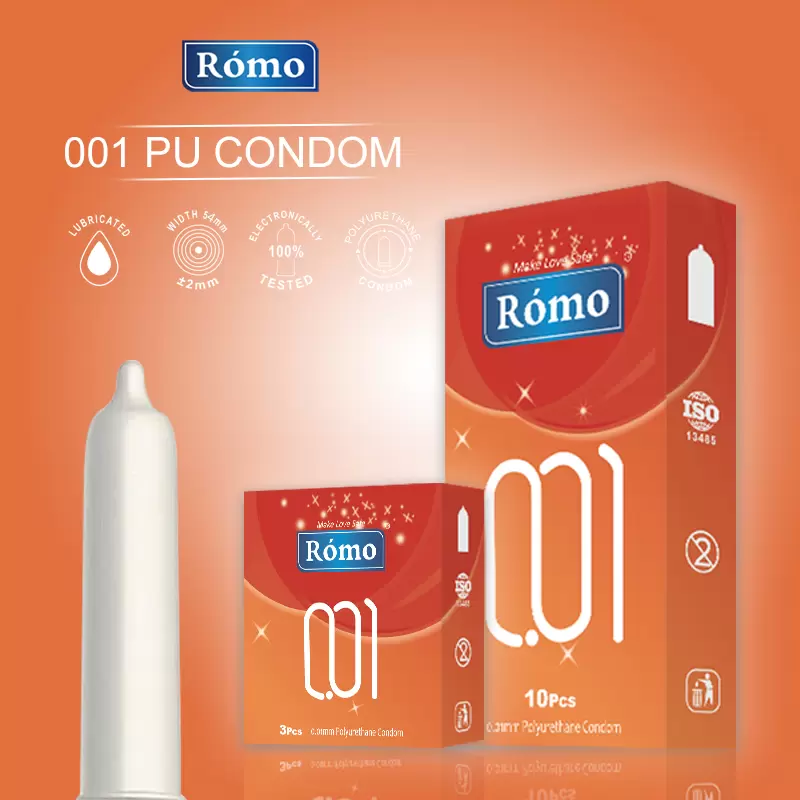
Fabriqué à partir d'un type de plastique. Ils sont plus minces, sans latex, et hypoallergénique.
✅ Avantages
Préservatifs en latex
- Très élastique: Offre un ajustement serré et sécurisé.
- Protection efficace: Excellent pour prévenir les IST et la grossesse.
- Largement disponible et abordable: Facile à trouver et moins cher à produire.
- Variété: Existe en plusieurs textures, tailles, et des saveurs.
Préservatifs en polyuréthane
- Matériau plus fin: Permet plus de transfert de chaleur, offrant une sensation plus naturelle.
- Sans latex: Convient aux personnes allergiques ou sensibles au latex.
- Sans odeur: Pas d'odeur de caoutchouc forte comme certains préservatifs en latex.
- Mieux pour les lubrifiants à base d’huile: Compatible sans risque de dommage.
❌ Inconvénients
Préservatifs en latex
- Peut provoquer des allergies: Ne convient pas aux personnes sensibles au latex.
- Non compatible avec les lubrifiants à base d'huile: Les huiles peuvent décomposer le latex et provoquer des défaillances.
- Forte odeur: Certains utilisateurs n'aiment pas l'odeur caoutchouteuse.
Préservatifs en polyuréthane
- Moins flexible: Peut sembler plus serré et plus enclin à glisser ou à se casser.
- Plus cher: Coûte plus cher à fabriquer, prix souvent plus élevé.
- Moins de disponibilité: Moins d'options sur le marché par rapport au latex.
🎯 Consommateurs cibles
- Préservatifs en latex sont largement utilisés dans le monde, surtout sur les marchés occidentaux, en raison du coût et de la disponibilité.
- Préservatifs en polyuréthane gagnent en popularité dans Marchés asiatiques, en particulier parmi les consommateurs haut de gamme qui apprécient minceur et sensation de luxe. Le profil plus fin est plus attrayant sur des marchés comme le Japon et la Corée du Sud, où les conceptions ultra-sensibles sont préférées.
✅ Conclusion
Choisir latex si vous voulez un prix abordable, flexibilité, et grande variété. Choisir polyuréthane si vous avez besoin d'une option sans latex, une sensation plus fine, ou compatibilité avec les lubrifiants à base d'huile. Votre choix doit équilibrer le confort, sécurité, et sensibilité.
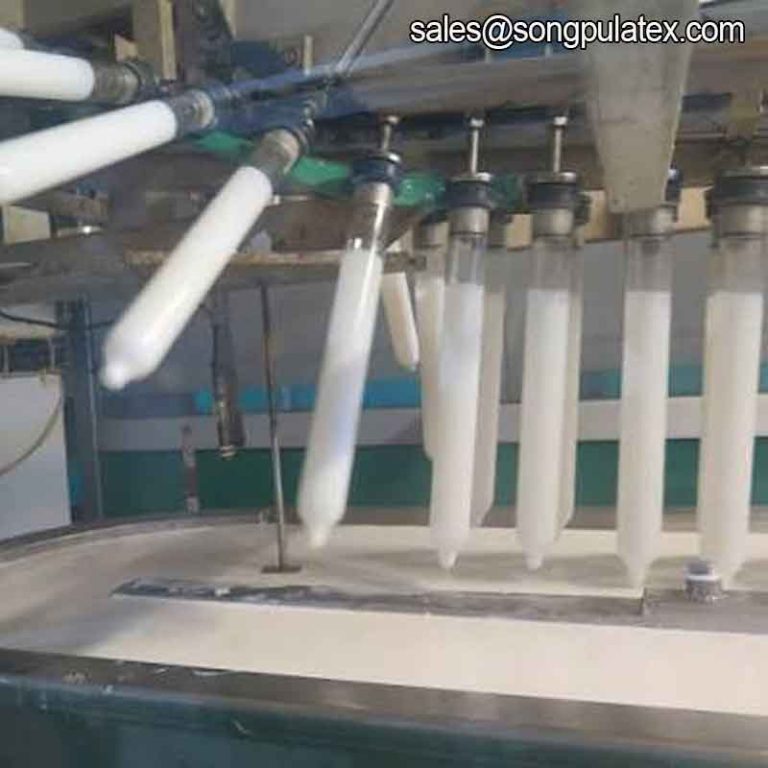
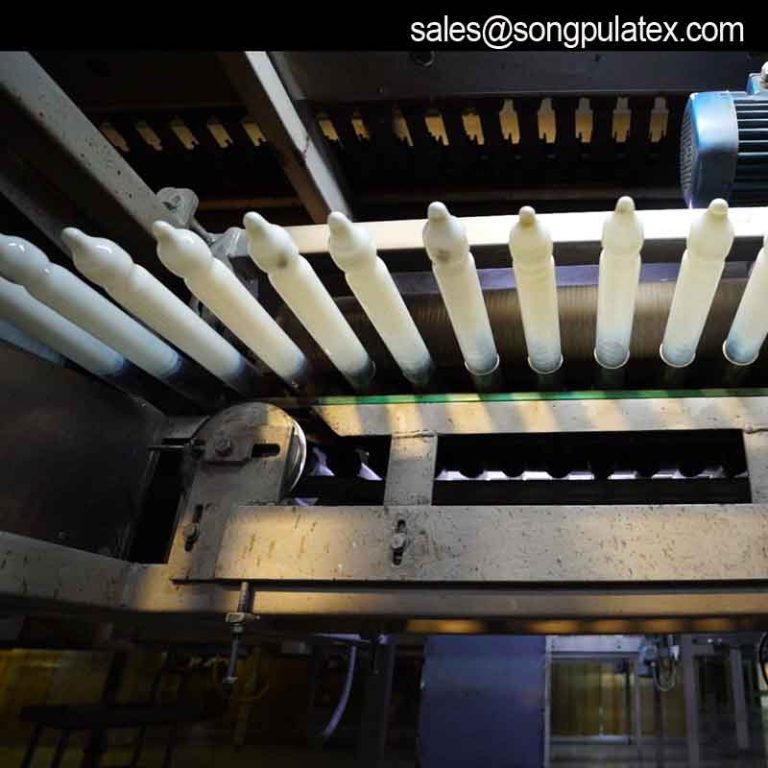
En tant qu'usine de préservatifs personnalisés approuvée par ISO/CE/SABS/FDA/WHO/UNFPA, nous pouvons fabriquer des préservatifs dans les deux matériaux sous votre propre marque. Un MOQ inférieur permet à tous les clients de démarrer facilement un projet de préservatif.